
3D CAD Modeling
3D CAD modeling is the primary service offered by McCartney Advancements. After cultivating years of experience using Autodesk Fusion 360, our CAD models are made with efficiency and effectiveness in mind.
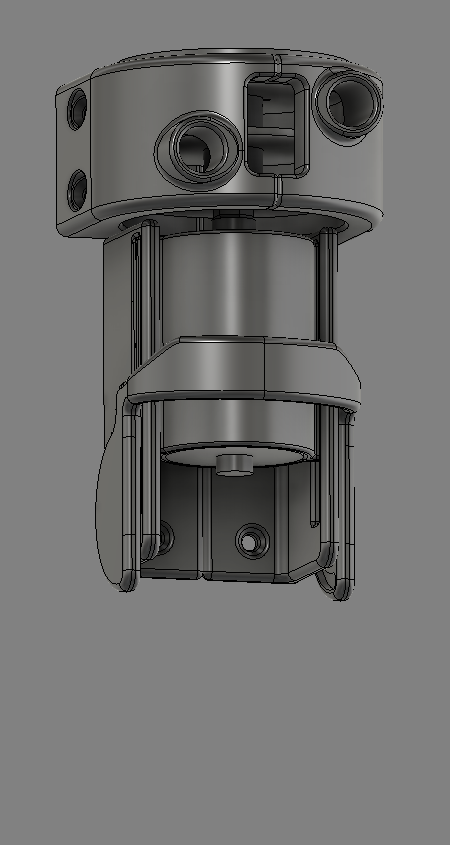
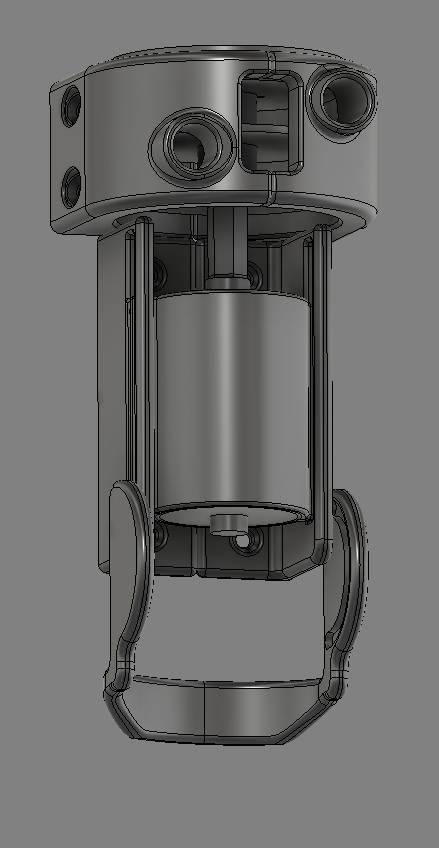
The two pictures below depict a design for a motor driven spool of wire, which includes a lever that engages the motor and drives the spool when pushed up, as seen in the first picture, and disengages the motor to allow the spool to spin freely when the lever is pulled down, shown in the second picture.
3D Printing
3D printing is a skill enjoyed by hobbyists and professionals alike, however, only an engineer is capable of using it to its full potential. McCartney Advancements has been using 3D printing for research and development purposes for years. We are adept at both FDM and SLA 3D printing techniques and understand when to use which.
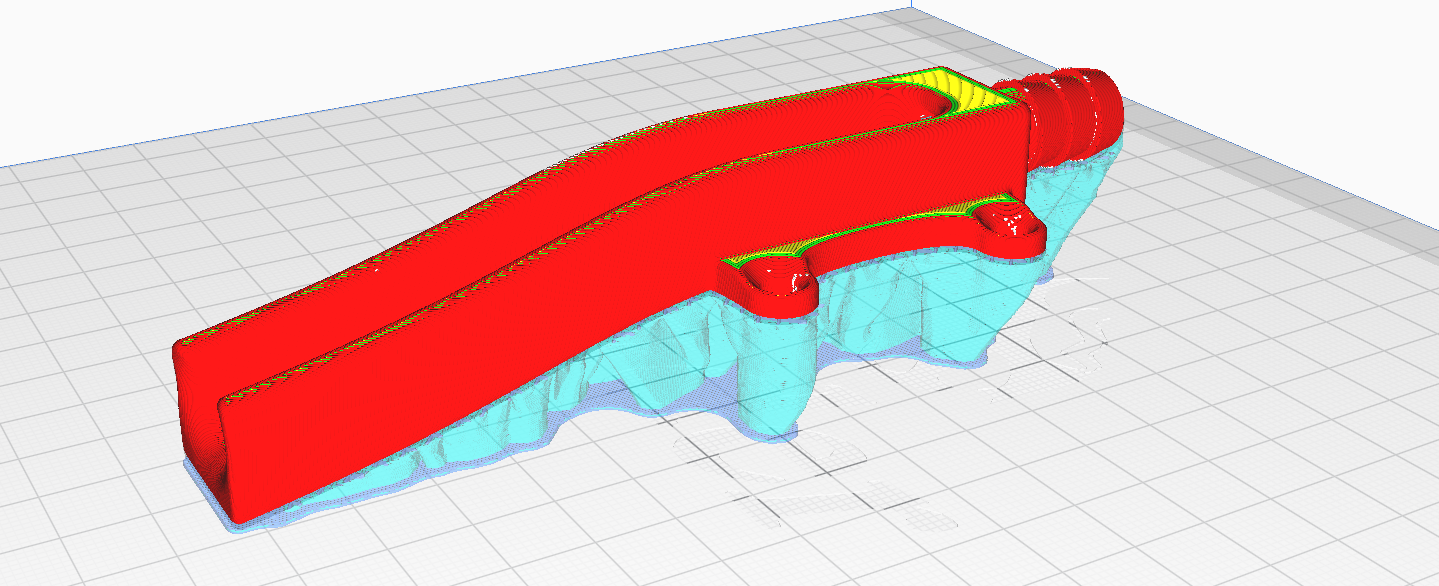
Pictured below is a water faucet that we designed to be FDM printed. This product is a specialized design meant to create a hidden waterfall effect, hence the slim design. Because the design is so specialized, only one batch was needed, therefore SLS was not considered for this application.
Simulation & Structural Analysis
Because many new designs are so complex, knowledge of simulation techniques is a necessity to ensure they can withstand the forces needed. Autodesk Fusion 360 is mainly used to perform these simulations quickly, however we are also adept at various Ansys software.
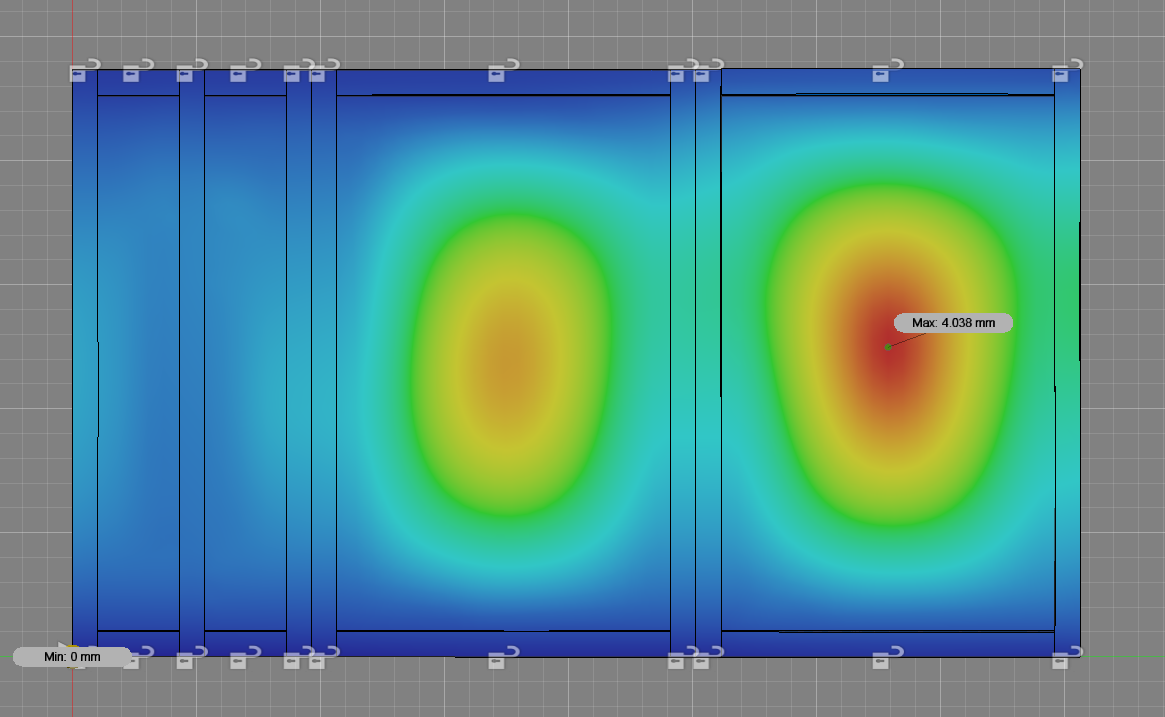
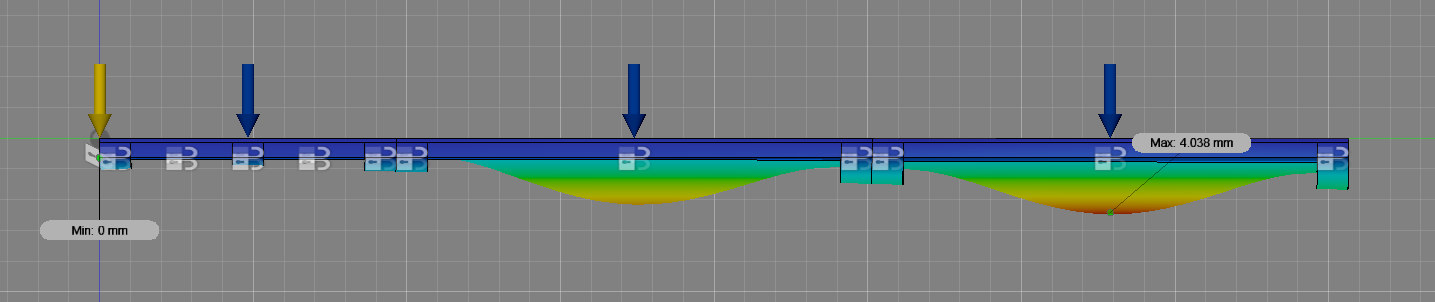
The pictures below are of a very simple simulation performed on a folding bedframe design. The deformations are accentuated to better visualize where the highest deformations occur. This example is merely a representation of what we are capable of.
Coding & Data Processing
When it comes to designs with dynamic or multiple parts, computers are sometimes better at solving these problems than people are. There are also problems that need substantial amounts of data to solve. Storing thousands of numbers and finding trends in these numbers is something that only computers can do. Knowing whether to solve a problem with pencil and paper versus solving it with code can sometimes save hours of work. McCartney Advancements utilizes both Arduino and MATLAB programming languages to solve these types of problems.
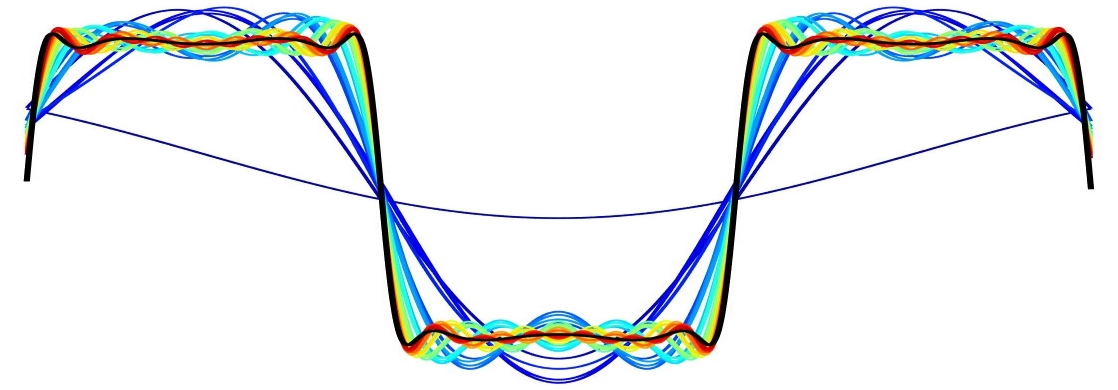
The colorful graph below showcases a technique for creating an equation from data points alone. The black line is a line connecting all of the data points and every other line is an attempt at creating an equation for these data points and then plotting the equation. It is possible to clearly visualize these equations becoming closer to black line until they converge as one.
 McCartney Advancements